
Gedetailleerde bekendstelling van plastiese ekstrusiemasjiene
- Gedetailleerde bekendstelling van plastiese ekstrusiemasjiene
- 1. Inleiding
- 2. Die basiese beginsels van plastiese ekstrusie
- 3. Komponente van plastiese ekstrusiemasjiene
- 4. Tipes plastiekmateriaal wat in ekstrusie gebruik word
- 5. Die ekstrusieproses verduidelik
- 6. Toepassings van plastiese ekstruderingsmasjiene
- 7. Spesifieke produkte vervaardig deur extrusie -masjiene
- 8. Sleuteloorwegings vir suksesvolle plastiek -ekstrudering
- 9. Maatstawwe vir kwaliteitskontrole in ekstrudering
- 10. Laaste innovasies en neigings in plastiek -ekstruderingstegnologie
- 11. Volhoubare praktyke in plastiese ekstrudering
- 12. uitdagings en toekomstige vooruitsigte
- 13. Ontluikende tegnologieë wat die toekoms van plastiese ekstrudering vorm
- 14. Gevolgtrekking
1. Inleiding
Welkom by die wêreld van plastiese ekstrusiemasjiene
In die groot landskap van vervaardiging staan plastiek -ekstruderingsmasjiene as staatmakers, wat innovasie en doeltreffendheid dryf. Hierdie merkwaardige toestelle het die manier waarop ons plastiekprodukte vervaardig, verander, wat veelsydigheid en presisie bied soos nog nooit tevore nie.
Verstaan die belangrikheid van plastiese ekstrusie in vervaardiging
Plastiese ekstrudering speel 'n belangrike rol in die moderne vervaardigingsekosisteem. Van die skep van alledaagse items tot komplekse komponente, kan die belangrikheid daarvan nie oorbeklemtoon word nie. Laat ons dieper in hierdie fassinerende wêreld delf om die wese en impak daarvan te begryp.
2. Die basiese beginsels van plastiese ekstrudering
Wat is plastiese ekstrusie?
In die kern daarvan is plastiek -ekstrudering 'n vervaardigingsproses wat die vorming van rou plastiekmateriaal in verskillende vorms behels met hitte en druk. Hierdie veelsydige tegniek maak dit moontlik om 'n wye verskeidenheid produkte te skep, wat wissel van eenvoudige velle tot ingewikkelde profiele.
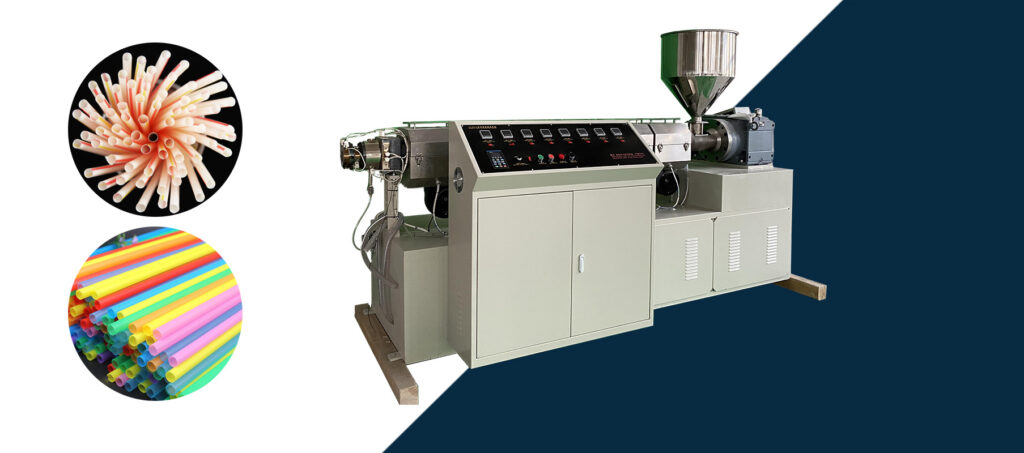
Plastiese ekstrusie behels die proses van verhitting en vorming van plastiese harse in gewenste vorms deur 'n matrys. Deur beheerde druk en temperatuur uit te oefen, kan vervaardigers presiese afmetings en oppervlakafwerkings bereik, wat dit 'n voorkeurmetode in verskeie industrieë maak.
Historiese evolusie van plastiese ekstrusietegnologie
Die wortels van plastiek-ekstrusie kan teruggevoer word na die laat 18de eeu, met die koms van vroeë ekstrusie-toestelle vir die vervaardiging van items soos pype en buise. Met verloop van tyd het vooruitgang in materiale en masjinerie die tegniek na die voorpunt van moderne vervaardiging gedryf, wat nywerhede wêreldwyd revolusioneer.
3. Komponente van plastiese ekstrusiemasjiene
Hoofonderdele en hul funksies
'n Tipiese plastiek-ekstrusiemasjien bestaan uit verskeie noodsaaklike komponente wat elkeen 'n deurslaggewende rol speel in die ekstrusieproses. Dit sluit in die ekstruder, matrijs, verkoelingstelsel en snymeganisme, almal werk in tandem om naatlose produksie te verseker.
Tipes plastiek-ekstruderingsmasjiene: Enkelskroef vs. Dubbelskroef-ekstruders
Plastiek-ekstruderingsmasjiene kom in verskillende konfigurasies voor, met enkelskroef- en dubbelskroef-ekstruders wat die algemeenste is. Terwyl enkelskroef-ekstruders eenvoud en veelsydigheid bied, blink dubbelskroef-ekstruders uit in die hantering van komplekse materiale en die verbetering van mengvermoëns.
4. Tipes plastiekmateriaal wat in ekstrusie gebruik word
Oorsig van algemene plastiese harse wat in ekstrusie gebruik word
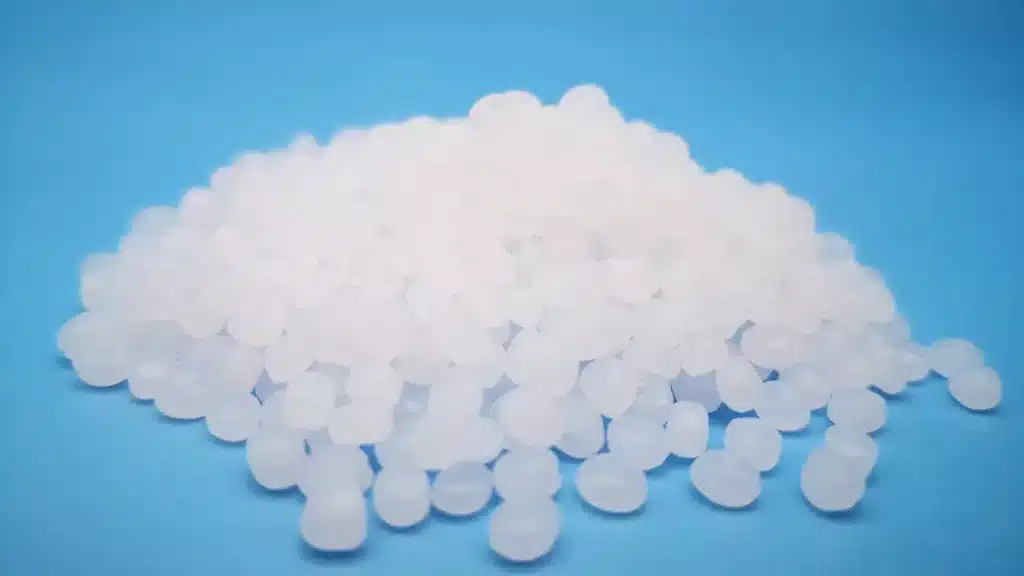
Poliëtileen (PE), Polipropileen (PP), Polivinielchloried (PVC), en Akrylonitril Butadieen Styreen (ABS) is een van die mees gebruikte plastiekharse in ekstrusie. Elke materiaal spog met unieke eienskappe en toepassings, wat voorsiening maak vir uiteenlopende industriebehoeftes.
Faktore wat materiaalkeuse vir ekstrusie beïnvloed
Die keuse van die regte plastiekhars vir ekstrusie behels die oorweging van verskeie faktore soos Meganiese eienskappe, termiese stabiliteit en koste-effektiwiteit. Verder, verenigbaarheid met verwerkingstoerusting en vereistes vir eindgebruik speel 'n belangrike rol in die keuse van materiaal.
5. Die ekstrusieproses verduidelik
Stap-vir-stap-gids vir plastiese ekstrusie
Die bemeestering van die kuns van plastiese ekstrudering vereis 'n deeglike begrip van die opeenvolgende stappe wat by die proses betrokke is. Van materiaalvoorbereiding tot die finale produk, vereis elke fase akkuraatheid en aandag aan detail.
1). Materiaal voer en smelt
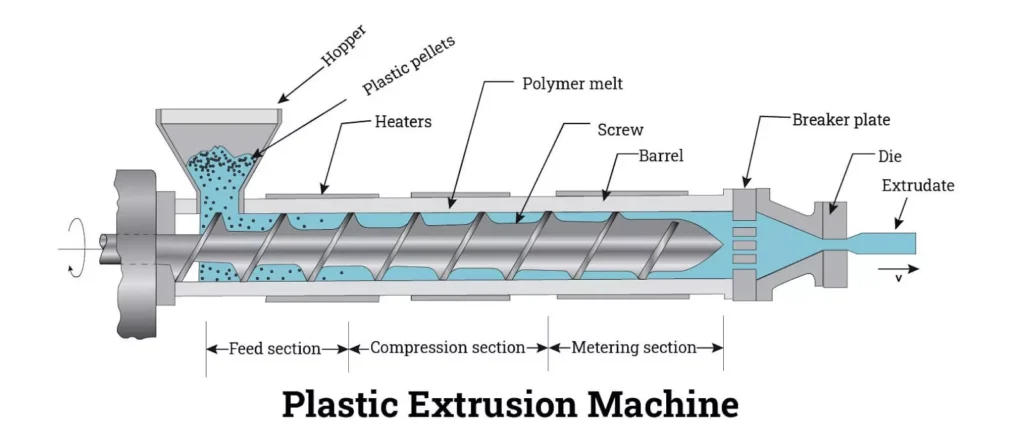
Die reis begin met die voeding van rou plastiese korrels of korrels in die hopper van die ekstruder, waar hulle onder beheerde toestande verhit en smelt. Hierdie gesmelte polimeer word dan deur 'n roterende skroef deur die ekstrudervat oorgedra, wat eenvormige temperatuur en konsekwentheid verseker.
2). Homogenisering en vermenging
Namate die gesmelte polimeer langs die uittreksel van die ekstruder vorder, ondergaan dit homogenisering en vermenging om 'n eenvormige samestelling te bewerkstellig. Hierdie stadium is van kritieke belang om bymiddels, kleurmiddels of versterkende middels in die smelt in te sluit, wat die eienskappe en werkverrigting van die materiaal verbeter.
3). Ekstrusie deur die matrijs
Nadat u die matrijs bereik het, word die gesmelte polimeer in sy finale vorm gevorm as dit deur 'n presies gemanipuleerde opening gaan. Die meetkunde bepaal die dwarssnitprofiel van die ekstruderaat, of dit nou 'n plat plaat, silindriese buis of 'n ingewikkelde profiel is.
4). Verkoeling en grootte
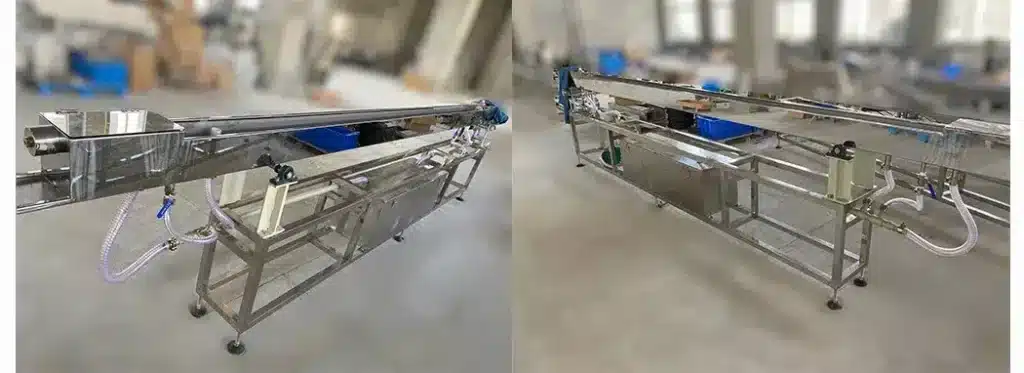
Sodra dit uitgedruk is, ondergaan die nuutgestigte produk vinnige verkoeling om die struktuur daarvan te versterk en dimensionele stabiliteit te handhaaf. Afhangend van die spesifieke toepassing en materiële eienskappe, kan verskillende verkoelingsmetodes, soos lug, water of vakuum, gebruik word.
5). Sny en Afwerking
Laastens word die ekstrudaat tot die gewenste lengte gesny en ondergaan enige bykomende afwerkingsprosesse, soos oppervlakbehandeling of randafwending. Dit verseker dat die produk aan die vereiste spesifikasies en kwaliteitstandaarde voldoen voordat dit gereed is vir verdere verwerking of verpakking.
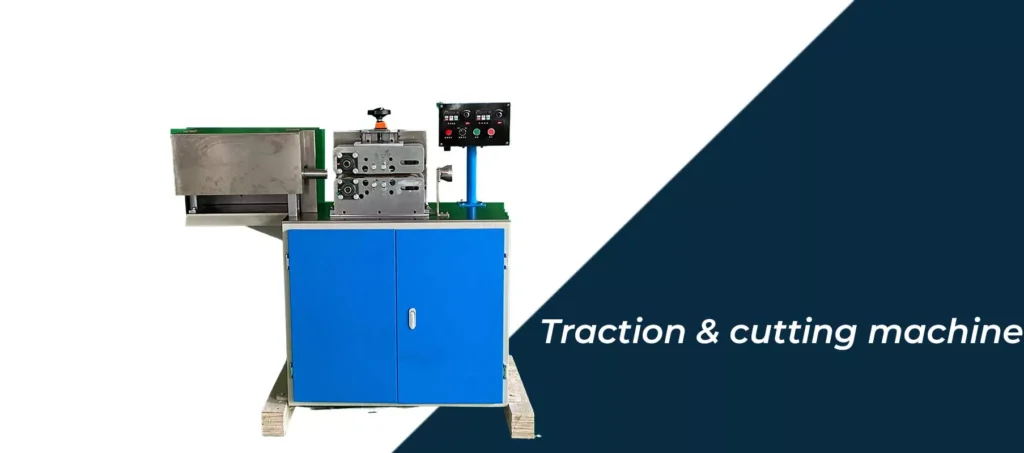
Belangrikheid van temperatuur en drukbeheer in ekstrudering
Temperatuur- en drukbeheer is uiters belangrik in plastiese ekstrusie, wat materiaalvloei, konsekwentheid en produkkwaliteit beïnvloed. Presiese regulering van hierdie parameters regdeur die ekstrusieproses is noodsaaklik vir die bereiking van optimale resultate en die vermindering van defekte.
6. Toepassings van plastiese ekstruderingsmasjiene
Uiteenlopende bedrywe met behulp van plastiek -ekstruderingstegnologie
Plastiek-ekstrusie vind toepassings oor 'n magdom industrieë, wat strek van verpakking en konstruksie tot motor- en verbruikersgoedere. Die veelsydigheid en aanpasbaarheid daarvan het dit onontbeerlik gemaak om aan die uiteenlopende behoeftes van die moderne samelewing te voldoen.
> Verpakkingsbedryf
In die verpakkingsbedryf is plastiek-ekstrusie instrumenteel in die vervaardiging van films, sakke en houers wat duursaamheid, buigsaamheid en versperringseienskappe bied. Van voedselverpakking tot industriële verpakking, geëxtrudeerde plastiek speel 'n deurslaggewende rol in die bewaring en beskerming van goedere tydens vervoer en berging.
> Konstruksiesektor
In konstruksie word plastiekekstrusie gebruik in die vervaardiging van pype, profiele en strukturele komponente wat in die bou van infrastruktuur gebruik word. Die liggewig aard, weerstand teen korrosie en gemak van installasie maak dit 'n aantreklike alternatief vir tradisionele materiale soos metaal of hout.
> Motorvervaardiging
The automotive industry relies on plastic extrusion for various applications, including interior trim, seals, and under-the-hood components. Extruded plastic parts offer design flexibility, cost-effectiveness, and weight reduction benefits, contributing to enhanced vehicle performance and fuel efficiency.
> Produksie van verbruikersgoedere
From household appliances to electronic devices, plastic extrusion plays a vital role in producing a wide range of consumer goods. Its ability to create custom shapes, textures, and colors enables manufacturers to meet consumer preferences while maintaining product functionality and aesthetics.
7. Spesifieke produkte vervaardig deur extrusie -masjiene
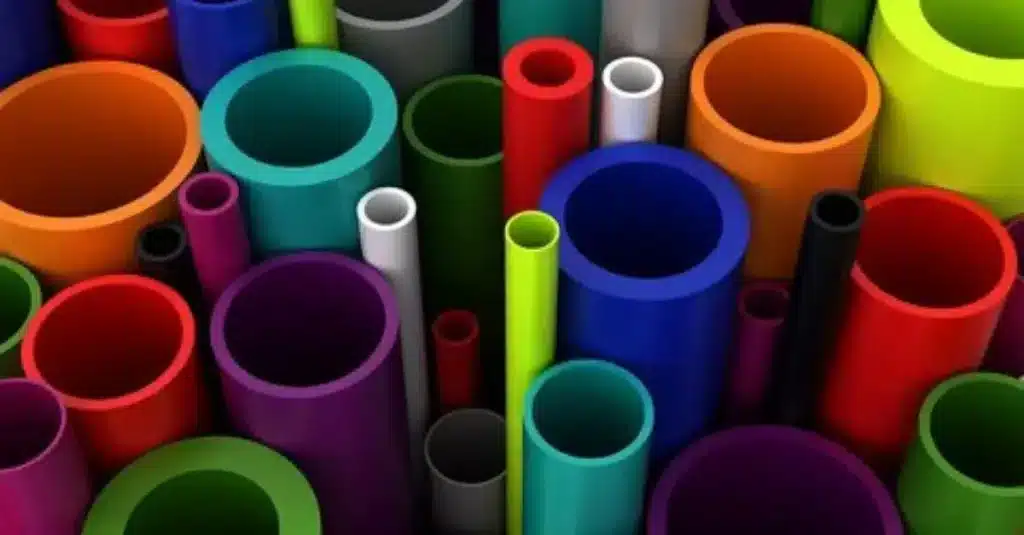
Pype en buise
Plastiek-ekstrudering is sinoniem met pyp- en buisproduksie, wat voorsiening maak vir diverse industrieë soos loodgieterswerk, besproeiing en telekommunikasie. Of dit nou PVC-pype vir waterverspreiding of HDPE-pype vir elektriese bedrading is, geëxtrudeerde plastiekprodukte bied duursaamheid, korrosiebestandheid en maklike installasie.
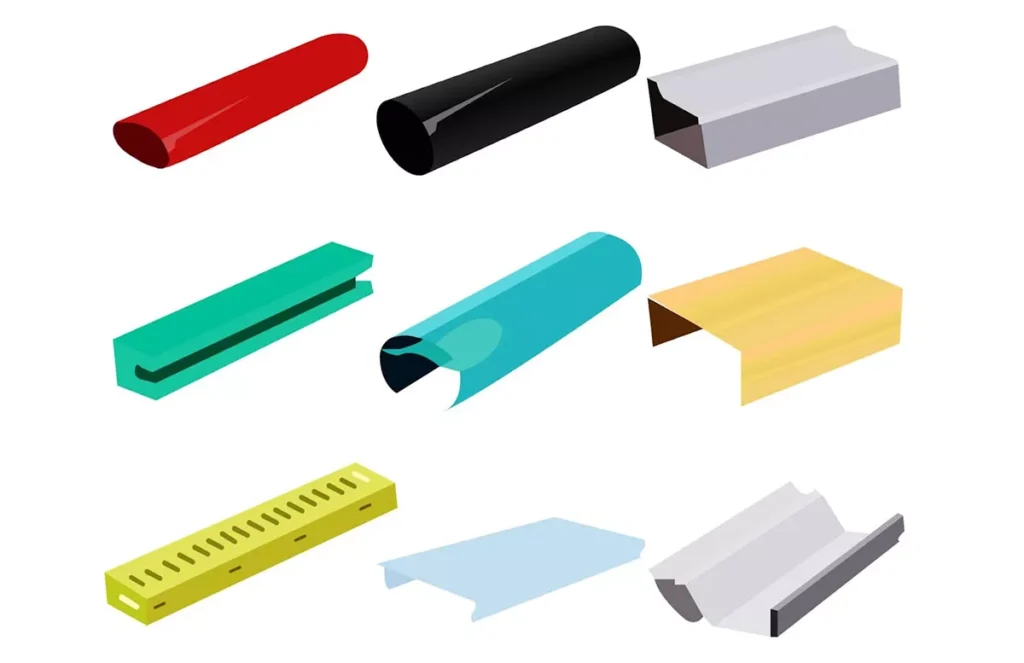
Profiele en afwerking
Uitgedrukte profiele en afwerking is alomteenwoordig in argitektoniese en dekoratiewe toepassings, wat estetiese aantrekkingskrag en funksionaliteit by residensiële en kommersiële ruimtes voeg. Van vensterrame tot plintjies, geëxtrudeerde plastiekprofiele bied ontwerpveelsydigheid, weerbestandheid en lae onderhoudsvereistes.
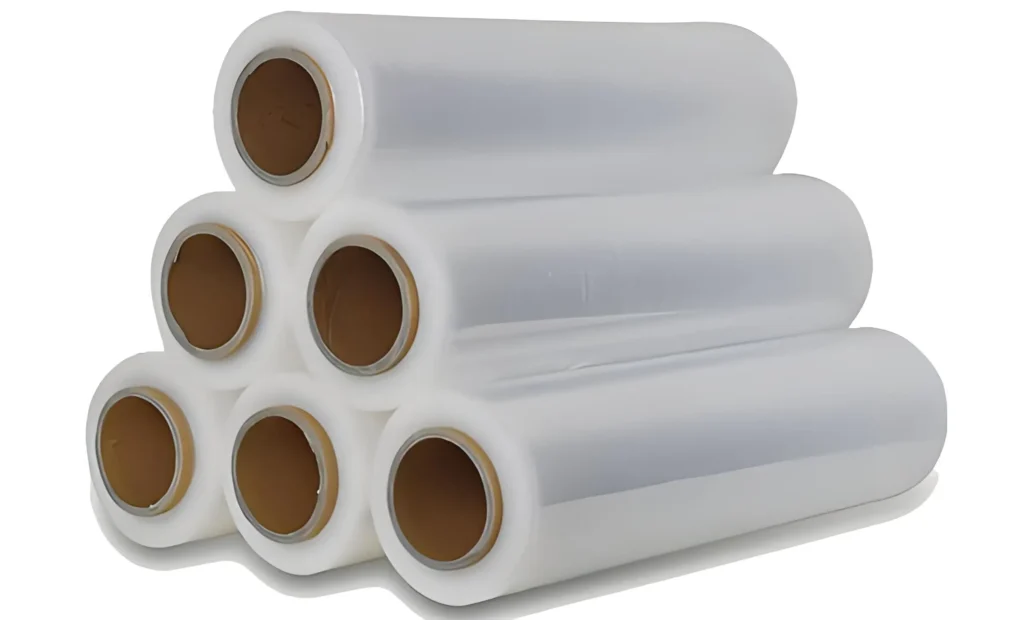
Films en lakens
Dunmaat-plastiekfilms en -velle is 'n integrale deel van verpakkings-, etikettering- en grafiese kunsindustrieë, wat 'n buigsame en drukbare substraat vir verskeie toepassings bied. Of dit nou krimpomhulsel vir produkverpakking of laminaat vir naamborde is, geëxtrudeerde plastiekfilms bied duidelikheid, sterkte en versperringseienskappe om die verpakte inhoud te beskerm en te verbeter.
Draad en kabelbedekking
Plastiese ekstrusie word gebruik in die vervaardiging van geïsoleerde drade en kabels vir elektriese en kommunikasiestelsels. Geëxtrudeerde plastiekbedekkings bied elektriese isolasie, meganiese beskerming en omgewingsweerstand, wat betroubare werkverrigting en lang lewe in veeleisende toepassings verseker.
8. Sleuteloorwegings vir suksesvolle plastiek -ekstrudering
> Verstaan van prosesveranderlikes en die impak daarvan
Om konsekwente en hoë kwaliteit geëxtrudeerde produkte te bereik, vereis 'n deeglike begrip van prosesveranderlikes en hul wisselwerking. Faktore soos temperatuurprofiele, skroefspoed en matrysontwerp oefen beduidende invloed uit op materiaalvloei, homogeniteit en finale produkeienskappe.
> Temperatuurprofiele
Die beheer van temperatuurprofiele langs die ekstrudervat is krities vir die optimalisering van materiaalviskositeit, smelthomogeniteit en vloeieienskappe. Variasies in temperatuur kan lei tot ongelyke smelting, agteruitgang of swak dimensionele stabiliteit, wat lei tot defekte en produksie-ondoeltreffendheid.
> Skroefsnelheid en uitsettariewe
Die rotasiespoed van die ekstruderskroef het 'n direkte impak op materiaaldeurset, verblyftyd en mengdoeltreffendheid. Balansering van skroefspoed met uitsetkoerse is noodsaaklik vir die handhawing van ekstrusiekonsekwentheid, om smeltoorverhitting of onderverhitting te vermy, en om eenvormige produkkwaliteit te verseker.
> Die ontwerp en meetkunde
Die ontwerp en geometrie van die ekstrusiematrys speel 'n deurslaggewende rol in die vorming van die finale produk se afmetings, oppervlakafwerking en meganiese eienskappe. Faktore soos die gaping, landlengte en vloeikanaalgeometrie beïnvloed materiaalvloei, verkoelingstempo's en algehele ekstrudateienskappe.
9. Maatstawwe vir kwaliteitskontrole in ekstrudering
Monitering van dikte en dimensionele akkuraatheid
Ensuring uniform thickness and dimensional accuracy is paramount in extrusion manufacturing, especially for critical applications such as packaging or automotive components. Real-time monitoring and control systems help detect deviations and adjust process parameters to maintain product quality within specified tolerances.
Identifisering en aanspreek van algemene defekte
Despite meticulous process control, extruded products may still exhibit defects such as surface irregularities, bubbles, or dimensional variations. Implementing comprehensive quality assurance protocols, including visual inspection, mechanical testing, and statistical analysis, helps identify root causes and implement corrective actions to prevent recurrence.
10. Laaste innovasies en neigings in plastiek -ekstruderingstegnologie
Vooruitgang in ekstruderingsmasjinerie
Die evolusie van ekstrusiemasjinerie dryf steeds innovasie en doeltreffendheid in plastiekverwerking aan. Van hoëspoed-ekstruders tot multi-laag koëstrusiestelsels, vervaardigers ontwikkel voortdurend nuwe tegnologieë om produktiwiteit, veelsydigheid en volhoubaarheid te verbeter.
Inleiding tot hoëspoed-ekstruders
Hoëspoed-ekstruders is besig om die ekstrusiebedryf te revolusioneer deur ongekende deurvloeitempo's en verwerkingsvermoëns te bied. Met verbeterde skroefontwerpe, gevorderde verhitting- en verkoelingstelsels en geïntegreerde outomatiseringskenmerke maak hierdie masjiene vinniger produksiesiklusse en verminderde energieverbruik moontlik.
Integrasie van nywerheid 4.0 tegnologieë
The adoption of Industry 4.0 principles is reshaping the landscape of plastic extrusion, ushering in an era of interconnectedness and data-driven optimization. Smart sensors, predictive analytics, and cloud-based monitoring platforms empower manufacturers to achieve real-time process control, predictive maintenance, and continuous improvement.
11. Volhoubare praktyke in plastiese ekstrudering
Herwinnings- en sirkulêre ekonomie -inisiatiewe
In response to growing environmental concerns, the plastic extrusion industry is embracing recycling and circular economy initiatives to minimize waste and resource consumption. Closed-loop recycling systems, biodegradable materials, and post-consumer recycling programs are becoming integral parts of extrusion operations, promoting sustainability and environmental stewardship.
Bio-afbreekbare materiale en eko-vriendelike alternatiewe
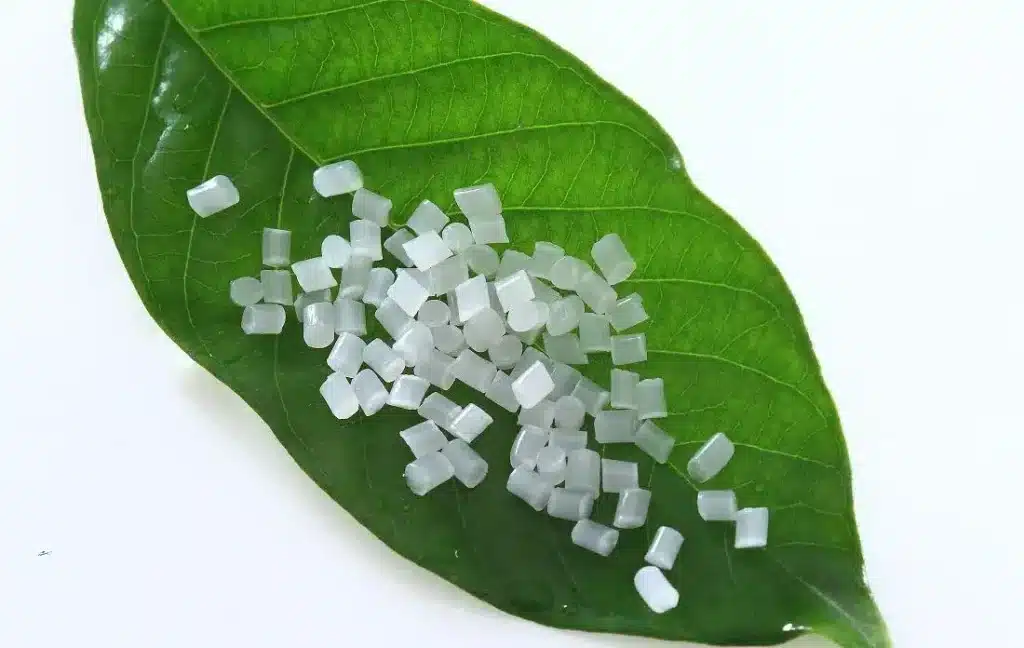
Die soeke na eko-vriendelike plastiek het navorsingspogings aangespoor om bio-afbreekbare materiale te skep wat uit hernubare bronne afgelei is. Bioplastics, soos PLA (polilaktiensuur) en PHA (poli-hidroksialkanoates), bied biologiese afbreekbaarheid, kompostabiliteit en verminderde koolstofvoetspoor in vergelyking met tradisionele petroleumgebaseerde plastiek, wat die weg baan vir 'n meer volhoubare toekoms.
12. uitdagings en toekomstige vooruitsigte
Om die omgewingskwessies aan te spreek wat verband hou met plastiek -ekstrudering
Namate die plastiek -ekstruderingsbedryf steeds uitbrei, doen dit ook kommer oor die omgewingsimpak daarvan, veral wat die opwekking van afval en koolstofvrystellings betref. Die versagting van hierdie uitdagings vereis 'n veelvlakkige benadering wat tegnologiese innovasie, regulatoriese nakoming en samewerking in die bedryf behels.
Strategieë vir die vermindering van vermorsing en emissies
Pogings om afval en emissies in plastiek-ekstrusie te verminder, sluit verskeie inisiatiewe in, soos materiaalherwinning, verbeterings aan energiedoeltreffendheid en tegnologieë vir die vermindering van emissies. Deur hulpbronbenutting te optimaliseer en volhoubare praktyke regdeur die waardeketting te implementeer, kan vervaardigers hul omgewingsvoetspoor versag terwyl hulle mededingendheid en winsgewendheid behou.
Regulatoriese nakoming en bedryfstandaarde
Die plastiekekstrusiebedryf is onderhewig aan 'n komplekse regulatoriese landskap wat produkveiligheid, omgewingsbeskerming en beroepsgesondheid beheer. Voldoening aan industriestandaarde, soos ISO 9001 vir gehaltebestuur en ISO 14001 vir omgewingsbestuur, is noodsaaklik om toewyding tot uitnemendheid en verantwoordelike rentmeesterskap te demonstreer.
13. Ontluikende tegnologieë wat die toekoms van plastiese ekstrudering vorm
3D -drukwerk met uitgedrukte plastiek
The convergence of plastic extrusion and additive manufacturing technologies is opening new possibilities for on-demand production and customized fabrication. 3D printing with extruded plastics enables rapid prototyping, complex geometries, and multi-material fabrication, revolutionizing product development and manufacturing workflows.
Nanokomposiete en gevorderde materiaalontwikkeling
Advancements in nanotechnology are driving the development of high-performance nanocomposites for use in plastic extrusion applications. By incorporating nano-sized fillers and reinforcements into polymer matrices, manufacturers can enhance material properties such as strength, stiffness, and thermal conductivity, unlocking new opportunities in aerospace, automotive, and electronics industries.
14. Gevolgtrekking
In conclusion, the world of Plastiek -ekstruderingsmasjiene is groot en veelsydig, en bied onbeperkte geleenthede vir innovasie en groei. Van sy nederige oorsprong tot sy huidige stand van tegnologiese gesofistikeerdheid, vorm plastiekekstrudering steeds die toekoms van vervaardiging, wat vooruitgang en volhoubaarheid aandryf. Terwyl ons die kompleksiteite van hierdie dinamiese bedryf navigeer, laat ons waaksaam, aanpasbaar en toegewyd bly tot uitnemendheid. Deur verandering aan te gryp en op hoogte te bly van die jongste vordering, kan ons nuwe moontlikhede ontsluit en 'n koers na 'n beter môre bepaal.