
Enkelmes Papier Strooimasjien
Hoë spoed, goeie gehalte, help u om die produksievermoë te verbeter

Hoëspoed papierstrooimasjien
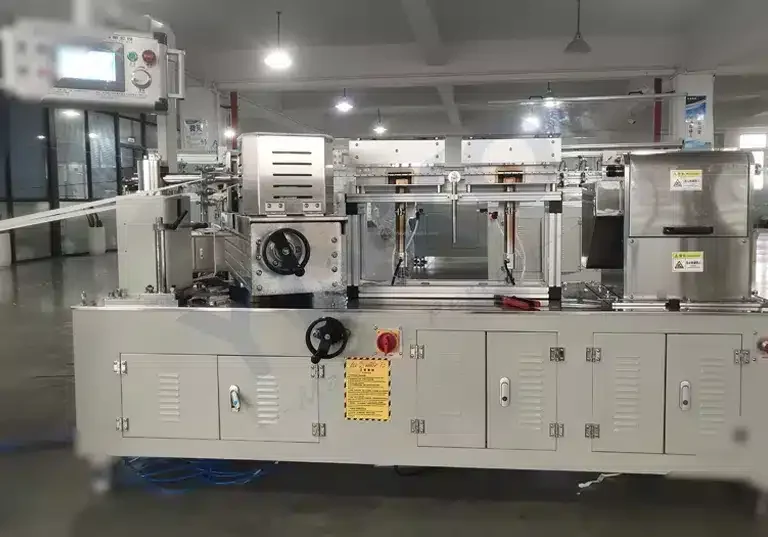
Ons stel ons YKM-50 enkelmes papierstrooimaakmasjien bekend, 'n toonaangewende oplossing wat papierstrokies met presisie en doeltreffendheid in hoëgehalte-drinkstrooitjies omskep. Hierdie innoverende masjien is uitstekend daarin om veelvuldige lae papierstroke in stewige papierbuise te wikkel en te spiraal, gevolg deur 'n deeglike droogproses in die verhittingsarea. Met sy gevorderde enkelmessnystelsel, aangedryf deur servo-opsporingstegnologie, lewer dit foutloos gesnyde papierbuise, wat perfekte klein papierdrinkstrooitjies skep. Verhoog jou papierstrooiproduksie met die YKM-50, waar akkuraatheid ontmoet innovasie vir voortreflike resultate.
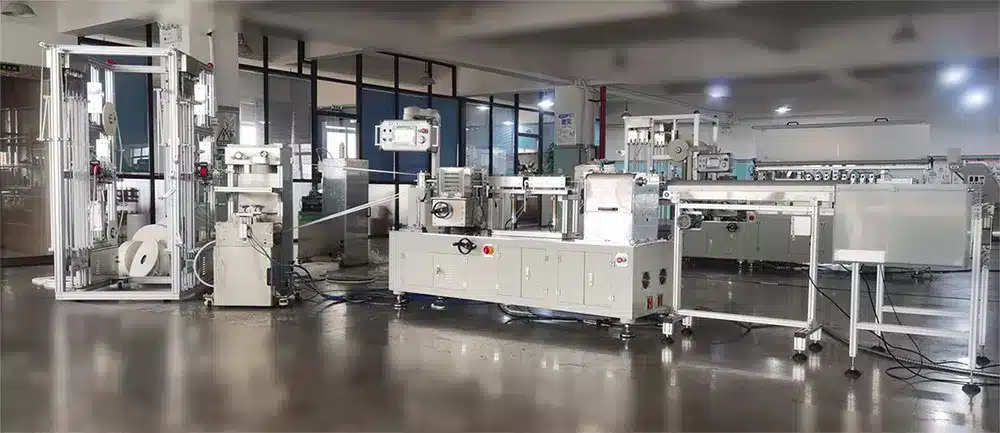
Sleutelkenmerke van die papierstrooimasjien
Hoëspoedprestasie
In staat tot insetspoed van tot 180m/min en uitsetspoed van 150m/min vir verbeterde produksiedoeltreffendheid.
Gevorderde snystelsel
Toegerus met 'n enkelmessnystelsel en 'n innoverende vlieënde mesontwerp. Die programmeerbare snylengte is volledig verstelbaar, wat buigsaamheid bied vir verskeie produksiebehoeftes.
Presisiebeheer met servomotors
Aangedryf deur drie servomotors om die spiraalrolle te beheer, wat presiese en gladde werking deur die hele proses verseker
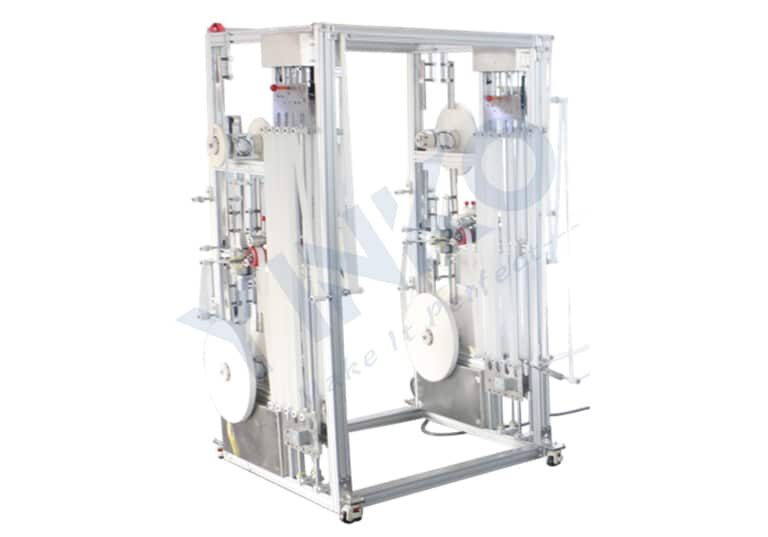
Outomatiese papierrol splitsing
Die outomatiese papierrol-splysie-funksie ondersteun naatlose verbinding van tot 4 lae papier, wat stilstand verminder en produktiwiteit verhoog.
Top-gehalte elektriese komponente
Sleutel elektriese komponente word verkry van die bekende handelsmerk Schneider, insluitend die hoof servomotor, servomotoraandrywer, frekwensie-omskakelaar en die gebruikersvriendelike raakskermkoppelvlak.
Tegniese spesifikasie
| Model nommer | Enkelmes papier strooimasjien YKM-50 | ||
| Tegniese parameter | Beheerstelsel | ||
| Laag papier | 3-4 lae | PLC beheerder | Schneider |
| Maks. Buitenste deursnee | 9 mm | Mens-masjien-koppelvlak | Schneider |
| Min. buitenste deursnee | 3,3 mm | Program weergawe | GD-XJ 5.0 |
| Maks. Dikte | 0.5 mm | Servo stelsel | Schneider |
| Min. Dikte | 0.2 mm | Uitvoerder | Schneider |
| Min. Lengte | 120 mm | Maksimum lengte | 500 mm |
| Uitsetspoed | 3-150m/min | Sein komponent | Omron |
| Windstelsel | 2 servo/1 stuk band | Pneumatiese komponent | Arktiese |
| Sny manier | 1 mes pneumaties/1 servo | sinchroniese beheer | Sinchroniese band |
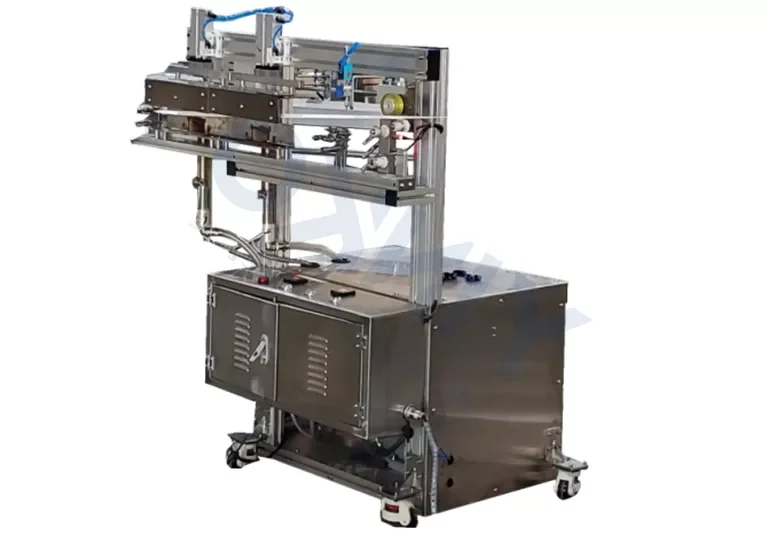
| Gom metode | Gom ekstraksie sirkuleer | ||
| Lengte beheer | Enkodeerder | Monteer | |
| Operator | 1 persoon | Buisrak | Het |
| Doorn bevestiging | Skroef klem | Bandhoek verstelling | Wiel verstelling |
| Spoedbeheer | Servo | Bandspanning aanpassing | Wiel verstelling |
| Krag insette | 3P/380V/50HZ | Papierbreek-stopfunksie | Het |
| Masjien dimensie | 2150*800*1650 | Smering | Elektriese roller |
| Vloerarea | 7000*3000*1700mm | Papierspanningsbeheer | Deurlopende spanningsbeheer |
| Wiel deursnee | 195 mm | Papierhouer | Outomatiese papierkoppelhouer |
| Wiel hoogte | 100 mm | Gordel | Stuk basisband |
| Maks. spin spoed | 200r/min | Totale gewig | 1150 KGS |
Kyk na die strooimaakmasjien in aksie
Papierstrooimasjien-werkbeginsel
Die proses van vervaardiging van papierstrooitjies behels verskeie afsonderlike stappe, met die gebruik van verskeie masjiene om doeltreffendheid en kwaliteit te verseker. Hier is 'n gedetailleerde oorsig van die werkproses:
1. Grondstof Voorbereiding
- Materiaalkeuse: Die primêre grondstof is voedsel-graad kraftpapier, wat dikwels in groot rolle verkry word. Hierdie vraestel moet aan spesifieke veiligheids- en sterktestandaarde voldoen.
- Inspeksie: Voor gebruik ondergaan die grondstowwe inspeksie om kwaliteit te verseker.
2. Drukwerk (opsioneel)
- As handelsmerke of ontwerpe vereis word, word die kraftpapier met ekovriendelike ink gedruk voordat dit in repe gesny word.
3. Sny
- Masjiengebruik: ’n Snymasjien sny die groot rolle papier in smaller repe. Hierdie stap is van kardinale belang om die verlangde breedte vir die strooitjies te bereik, gewoonlik ongeveer 10-12 mm.
- Gelaagdheid: Afhangende van die ontwerp, kan veelvuldige lae papier gebruik word, dikwels drie lae vir ekstra sterkte.
4. Strooiproduksie
- Gom: Die papierstroke is bedek met 'n nie-giftige gom wat help om die lae saam te bind tydens die volgende stap.
- Spiraalwikkeling: Die vasgeplakte stroke word in 'n spiraalvorm om 'n deurn gewikkel om 'n buis te vorm. Hierdie proses voeg krag en stabiliteit by die strooi.
5. Droog
- Eerste fase droog: Nadat dit gewikkel is, gaan die strooitjies deur 'n droogkamer waar hitte toegedien word om die gom te stel en strukturele integriteit te verbeter.
- Tweede stadium droog: Na krimping (indien van toepassing), versterk 'n tweede droogfase die strooitjies verder.
Voordele & Nadele van papierstrooi
VOORDELE
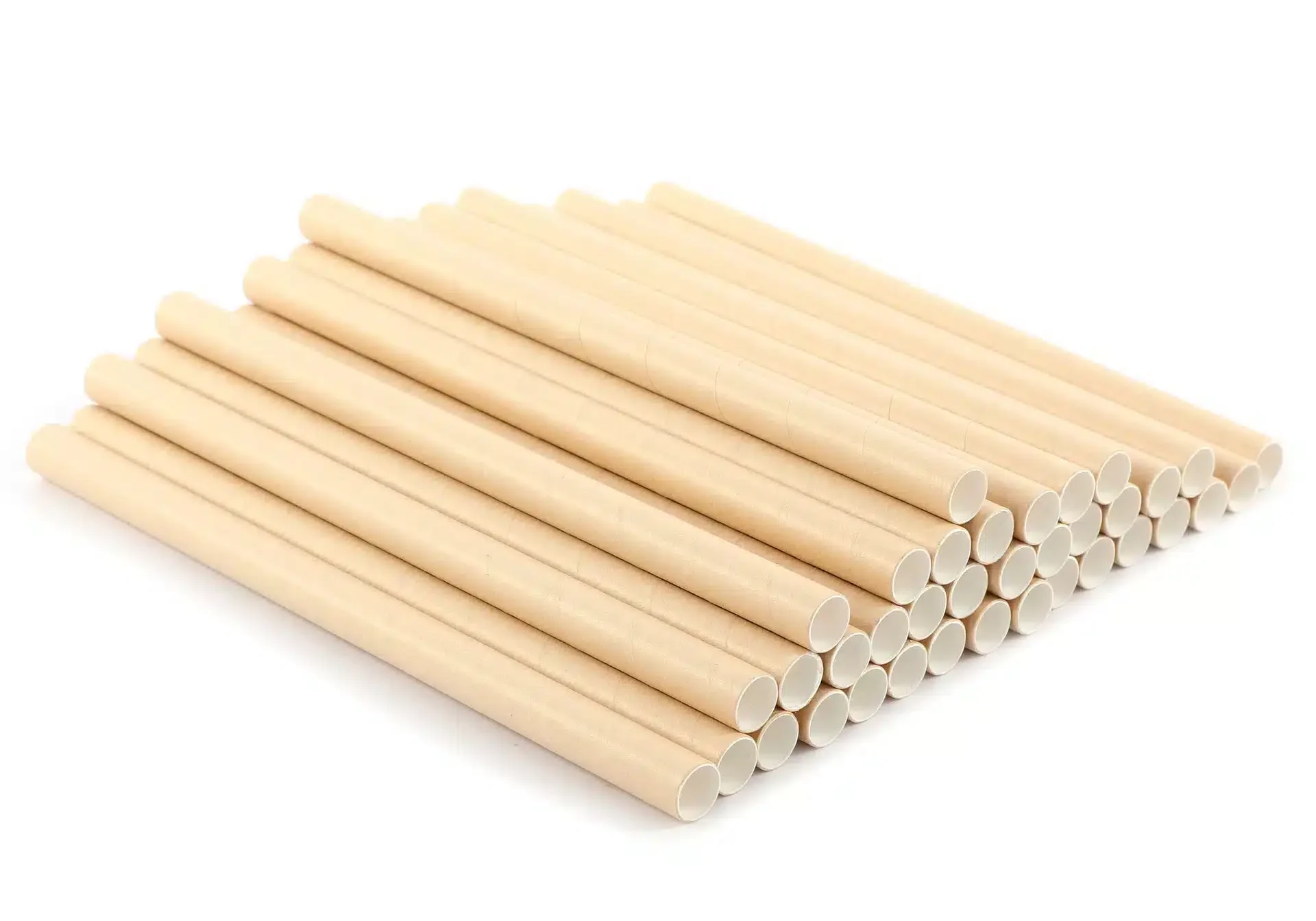
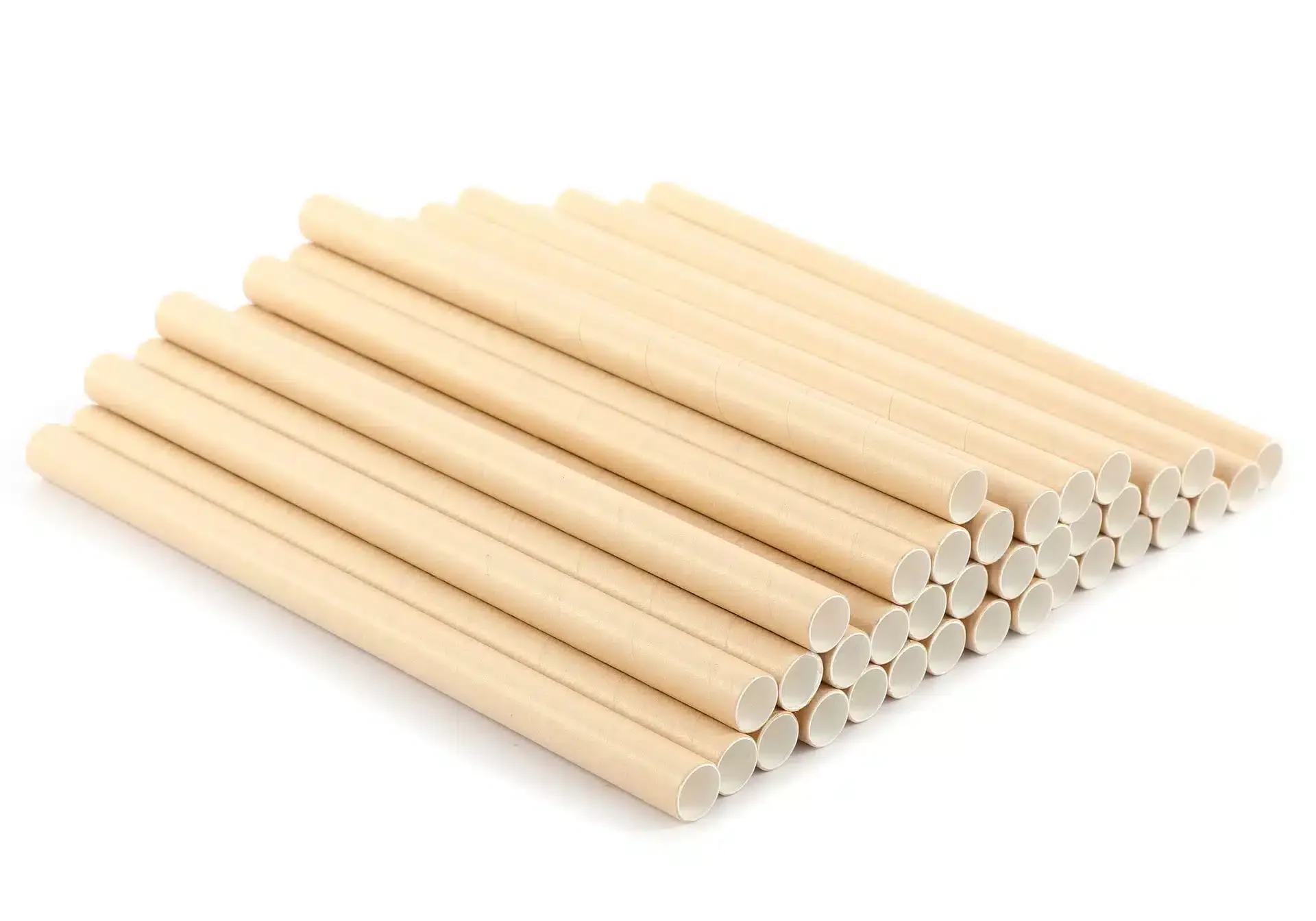
- Papierstrooitjies is bioafbreekbaar, wat dit 'n omgewingsvriendelike alternatief vir plastiekstrooitjies maak wat honderde jare kan neem om te ontbind.
- Papierstrooitjies kan herwin word, wat vermorsing verminder en bydra tot 'n meer sirkulêre ekonomie.
- Papierstrooitjies word gemaak van hernubare hulpbronne, soos papierpulp en plantgebaseerde kleefmiddels, wat dit 'n meer volhoubare keuse maak
NADELE
- Papierstrooitjies is nie so duursaam soos plastiekstrooitjies nie en kan nat word of disintegreer wanneer dit vir lang tydperke aan vloeistowwe blootgestel word.
- Papierstrooitjies kan duurder wees as plastiekstrooitjies, wat sommige besighede kan afskrik om die oorskakeling te maak.
- Papierstrooitjies is nie geskik vir warm drankies nie, aangesien dit sag kan word en hul vorm kan verloor wanneer dit aan hitte blootgestel word.
Die gebruik van papierstrooitjies kan 'n goeie keuse wees vir mense wat bekommerd is oor die omgewing en hul plastiekafval wil verminder. As 'n bioafbreekbare en herwinbare alternatief vir plastiekstrooitjies, kan papierstrooitjies help om die negatiewe impak van eenmalige plastiek op die omgewing te verminder.
Wat die toekoms vir papierstrooitjies betref, is dit waarskynlik dat die vraag na volhoubare en ekovriendelike alternatiewe vir plastiekstrooitjies sal aanhou groei, en papierstrooitjies is geposisioneer om 'n sleutelspeler in hierdie mark te wees. Daar kan egter uitdagings wees in terme van koste, duursaamheid en beskikbaarheid wat aangespreek sal moet word om die wydverspreide aanvaarding van papierstrooitjies te verseker.
Boonop kan voortgesette innovasie en ontwikkeling op die gebied van volhoubare materiale en vervaardigingsprosesse lei tot die skepping van nuwe en verbeterde alternatiewe vir beide plastiek- en papierstrooitjies, wat die toekoms van die bedryf verder kan vorm.
Verken meer strooiproduksie-oplossings


