
Detaillierte Einführung von Kunststoffextrusionsmaschinen
- Detaillierte Einführung von Kunststoffextrusionsmaschinen
- 1. Einführung
- 2. Die Grundlagen der Kunststoffextrusion
- 3. Komponenten von Kunststoffextrusionsmaschinen
- 4. Arten von Kunststoffmaterialien, die bei der Extrusion verwendet werden
- 5. Der Extrusionsprozess erklärt
- 6. Anwendungen von Kunststoffextrusionsmaschinen
- 7. Spezifische Produkte, die mit Extrusionsmaschinen hergestellt werden
- 8. Wichtige Überlegungen für eine erfolgreiche Kunststoffextrusion
- 9. Qualitätskontrollmaßnahmen in der Extrusion
- 10. Neueste Innovationen und Trends in der Kunststoffextrusionstechnologie
- 11. Nachhaltige Praktiken in der Kunststoffextrusion
- 12. Challenges and Future Outlook
- 13. Emerging Technologies Shaping the Future of Plastic Extrusion
- 14. Conclusion
1. Einführung
Willkommen in der Welt der Kunststoffextrusionsmaschinen
In the vast landscape of manufacturing, plastic extrusion machines stand as stalwart pillars, driving innovation and efficiency. These remarkable devices have transformed the way we produce plastic products, offering versatility and precision like never before.
Die Bedeutung der Kunststoffextrusion in der Fertigung verstehen
Die Kunststoffextrusion spielt im modernen Fertigungsökosystem eine zentrale Rolle. Von der Herstellung alltäglicher Gegenstände bis hin zu komplexen Bauteilen kann seine Bedeutung nicht genug betont werden. Lassen Sie uns tiefer in dieses faszinierende Reich eintauchen, um seine Essenz und Wirkung zu erfassen.
2. Die Grundlagen der Kunststoffextrusion
Was ist Kunststoffextrusion?
Im Kern handelt es sich bei der Kunststoffextrusion um einen Herstellungsprozess, bei dem rohe Kunststoffmaterialien mithilfe von Hitze und Druck in verschiedene Formen gebracht werden. Diese vielseitige Technik ermöglicht die Herstellung einer breiten Produktpalette, die von einfachen Platten bis hin zu komplizierten Profilen reicht.
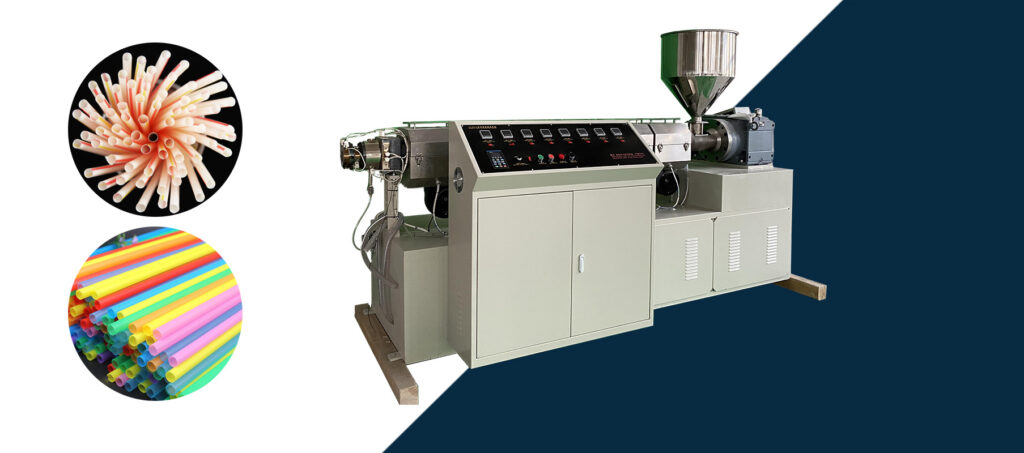
Plastic extrusion encompasses the process of heating and forming plastic resins into desired shapes through a die. By exerting controlled pressure and temperature, manufacturers can achieve precise dimensions and surface finishes, making it a preferred method in various industries.
Historische Entwicklung der Kunststoffextrusionstechnologie
The roots of plastic extrusion can be traced back to the late 18th century, with the advent of early extrusion devices for producing items like pipes and tubing. Over time, advancements in materials and machinery have propelled the technique into the forefront of modern manufacturing, revolutionizing industries worldwide.
3. Komponenten von Kunststoffextrusionsmaschinen
Hauptteile und ihre Funktionen
A typical plastic extrusion machine comprises several essential components, each playing a crucial role in the extrusion process. Dazu gehören der Extruder, die Düse, das Kühlsystem und der Schneidmechanismus. Alle arbeiten zusammen, um eine reibungslose Produktion zu gewährleisten.
Arten von Kunststoffextrusionsmaschinen: Einschneckenextruder vs. Doppelschneckenextruder
Kunststoffextrusionsmaschinen gibt es in verschiedenen Konfigurationen, wobei Einschnecken- und Doppelschneckenextruder am häufigsten vorkommen. Während Einschneckenextruder Einfachheit und Vielseitigkeit bieten, zeichnen sich Doppelschneckenextruder durch die Handhabung komplexer Materialien und die Verbesserung der Mischfähigkeiten aus.
4. Arten von Kunststoffmaterialien, die bei der Extrusion verwendet werden
Übersicht über gängige Kunststoffharze, die bei der Extrusion verwendet werden
Polyethylen (PE), Polypropylen (PP), Polyvinylchlorid (PVC) und Acrylnitril-Butadien-Styrol (ABS) gehören zu den am häufigsten verwendeten Kunststoffharzen in der Extrusion. Jedes Material verfügt über einzigartige Eigenschaften und Anwendungen und erfüllt unterschiedliche Branchenanforderungen.
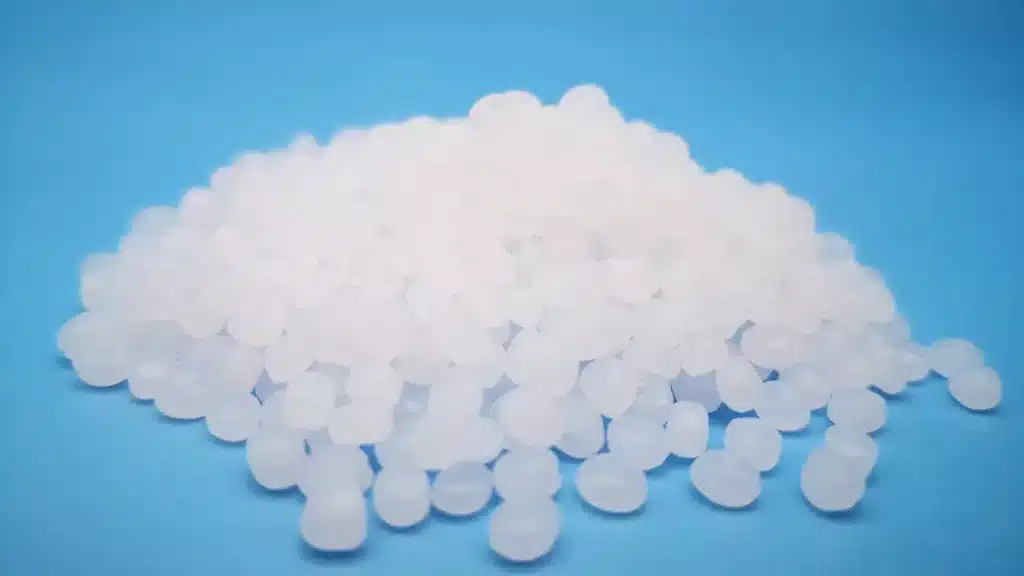
Faktoren, die die Materialauswahl für die Extrusion beeinflussen
Bei der Auswahl des richtigen Kunststoffharzes für die Extrusion müssen verschiedene Faktoren berücksichtigt werden, wie z mechanical properties, thermal stability, and cost-effectiveness. Additionally, compatibility with processing equipment and end-use requirements play a significant role in material selection.
5. Der Extrusionsprozess erklärt
Schritt-für-Schritt-Anleitung zur Kunststoffextrusion
Mastering the art of plastic extrusion requires a thorough understanding of the sequential steps involved in the process. From material preparation to finished product, each stage demands precision and attention to detail.
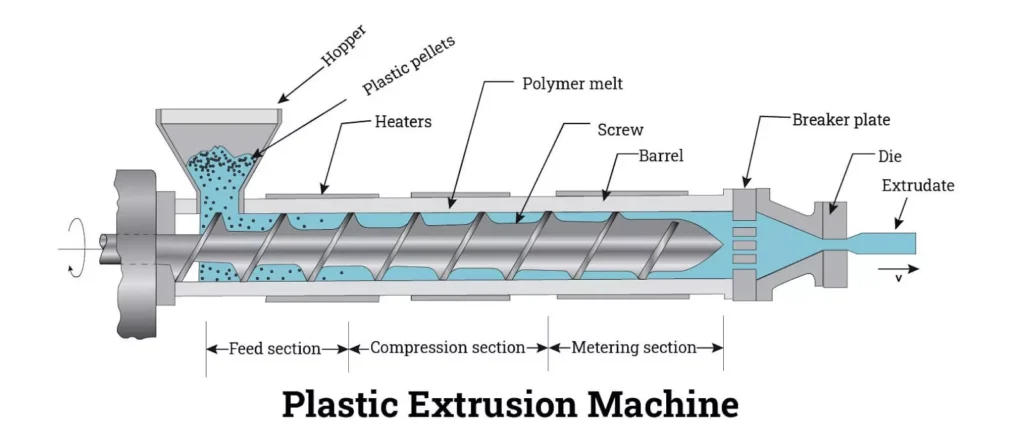
1). Materialzufuhr und -schmelzen
The journey begins with feeding raw plastic pellets or granules into the extruder’s hopper, where they undergo heating and melting under controlled conditions. This molten polymer is then conveyed through the extruder barrel via a rotating screw, ensuring uniform temperature and consistency.
2). Homogenisieren und Mischen
As the molten polymer progresses along the extruder’s barrel, it undergoes homogenization and mixing to achieve a uniform composition. This stage is critical for incorporating additives, colorants, or reinforcing agents into the melt, enhancing the material’s properties and performance.
3). Extrusion durch die Matrize
Upon reaching the die, the molten polymer is shaped into its final form as it passes through a precisely engineered opening. The die geometry determines the cross-sectional profile of the extrudate, whether it be a flat sheet, cylindrical tube, or intricate profile.
4). Kühlung und Dimensionierung
Once extruded, the newly formed product undergoes rapid cooling to solidify its structure and maintain dimensional stability. Various cooling methods, such as air, water, or vacuum, may be employed depending on the specific application and material properties.
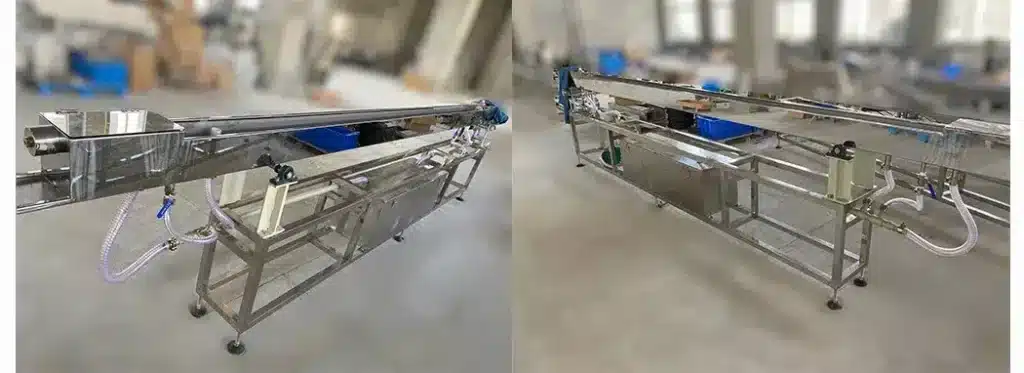
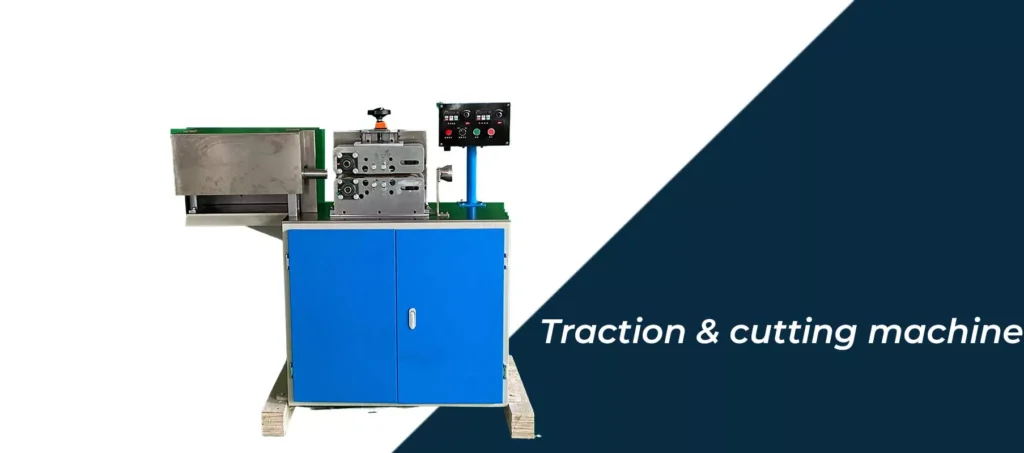
5). Schneiden und Endbearbeitung
Finally, the extrudate is cut to the desired length and undergoes any additional finishing processes, such as surface treatment or edge trimming. This ensures the product meets the required specifications and quality standards before it is ready for further processing or packaging.
Bedeutung der Temperatur- und Druckkontrolle bei der Extrusion
Temperatur- und Druckkontrolle sind bei der Kunststoffextrusion von größter Bedeutung und beeinflussen den Materialfluss, die Konsistenz und die Produktqualität. Die präzise Regulierung dieser Parameter während des gesamten Extrusionsprozesses ist für die Erzielung optimaler Ergebnisse und die Minimierung von Fehlern unerlässlich.
6. Anwendungen von Kunststoffextrusionsmaschinen
Verschiedene Branchen nutzen die Kunststoffextrusionstechnologie
Die Kunststoffextrusion findet in einer Vielzahl von Branchen Anwendung, von der Verpackungs- und Baubranche bis hin zur Automobil- und Konsumgüterindustrie. Seine Vielseitigkeit und Anpassungsfähigkeit haben es unverzichtbar gemacht, um den vielfältigen Bedürfnissen der modernen Gesellschaft gerecht zu werden.
> Verpackungsindustrie
In the packaging industry, plastic extrusion is instrumental in producing films, bags, and containers that offer durability, flexibility, and barrier properties. From food packaging to industrial wrapping, extruded plastics play a crucial role in preserving and protecting goods during transportation and storage.
> Bausektor
In construction, plastic extrusion is employed in the fabrication of pipes, profiles, and structural components used in building infrastructure. Its lightweight nature, corrosion resistance, and ease of installation make it an attractive alternative to traditional materials like metal or wood.
> Automobilbau
The automotive industry relies on plastic extrusion for various applications, including interior trim, seals, and under-the-hood components. Extruded plastic parts offer design flexibility, cost-effectiveness, and weight reduction benefits, contributing to enhanced vehicle performance and fuel efficiency.
> Konsumgüterproduktion
From household appliances to electronic devices, plastic extrusion plays a vital role in producing a wide range of consumer goods. Its ability to create custom shapes, textures, and colors enables manufacturers to meet consumer preferences while maintaining product functionality and aesthetics.
7. Spezifische Produkte, die mit Extrusionsmaschinen hergestellt werden
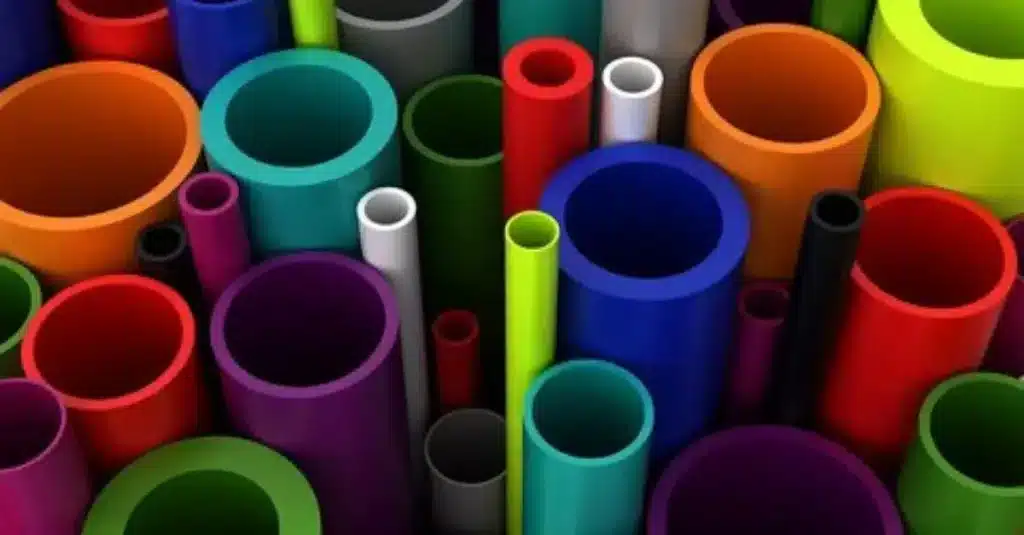
Rohre und Schläuche
Kunststoffextrusion ist ein Synonym für die Herstellung von Rohren und Schläuchen und bedient unterschiedliche Branchen wie Sanitär, Bewässerung und Telekommunikation. Ganz gleich, ob es sich um PVC-Rohre für die Wasserverteilung oder HDPE-Leitungen für elektrische Leitungen handelt – extrudierte Kunststoffprodukte bieten Haltbarkeit, Korrosionsbeständigkeit und einfache Installation.
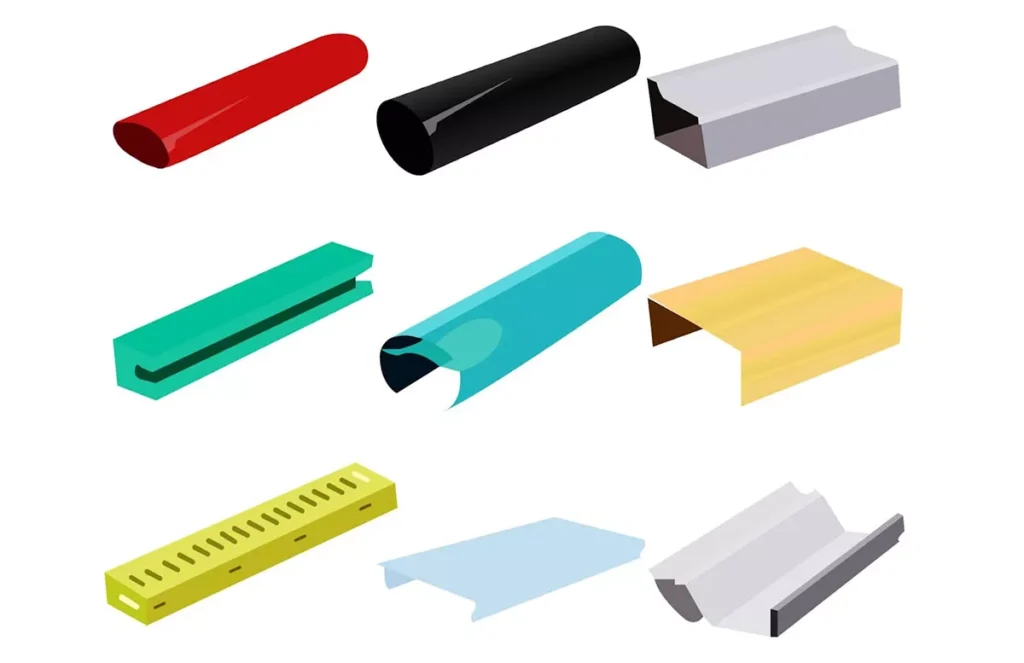
Profile und Trim
Extrudierte Profile und Verkleidungen sind in architektonischen und dekorativen Anwendungen allgegenwärtig und verleihen Wohn- und Gewerberäumen Ästhetik und Funktionalität. Von Fensterrahmen bis zu Fußleisten bieten extrudierte Kunststoffprofile Gestaltungsvielfalt, Witterungsbeständigkeit und geringen Wartungsaufwand.
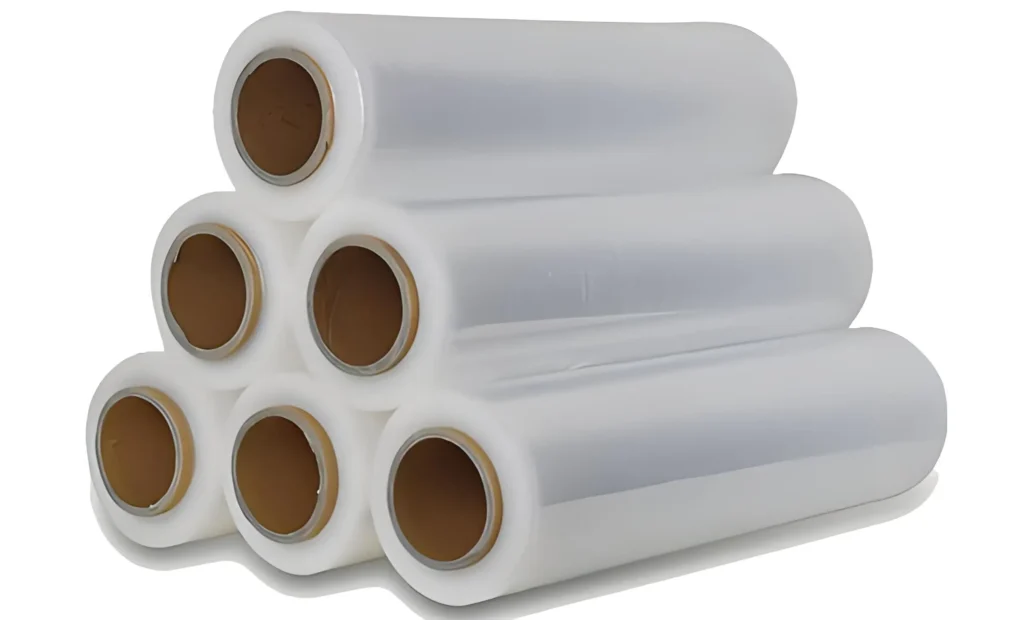
Filme und Blätter
Thin-gauge plastic films and sheets are integral to packaging, labeling, and graphic arts industries, providing a flexible and printable substrate for various applications. Whether it’s shrink wrap for product packaging or laminate for signage, extruded plastic films offer clarity, strength, and barrier properties to protect and enhance the packaged contents.
Draht- und Kabelbeschichtung
Plastic extrusion is utilized in the production of insulated wires and cables for electrical and communication systems. Extruded plastic coatings provide electrical insulation, mechanical protection, and environmental resistance, ensuring reliable performance and longevity in demanding applications.
8. Wichtige Überlegungen für eine erfolgreiche Kunststoffextrusion
> Prozessvariablen und ihre Auswirkungen verstehen
Achieving consistent and high-quality extruded products requires a thorough understanding of process variables and their interplay. Factors such as temperature profiles, screw speed, and die design exert significant influence on material flow, homogeneity, and final product properties.
> Temperaturprofile
Controlling temperature profiles along the extruder barrel is critical for optimizing material viscosity, melt homogeneity, and flow characteristics. Variations in temperature can result in uneven melting, degradation, or poor dimensional stability, leading to defects and production inefficiencies.
> Schneckengeschwindigkeit und Ausstoßraten
The rotational speed of the extruder screw directly impacts material throughput, residence time, and mixing efficiency. Balancing screw speed with output rates is essential for maintaining extrusion consistency, avoiding melt overheating or underheating, and ensuring uniform product quality.
> Formenbau und Geometrie
The design and geometry of the extrusion die play a pivotal role in shaping the final product’s dimensions, surface finish, and mechanical properties. Factors such as die gap, land length, and flow channel geometry influence material flow, cooling rates, and overall extrudate characteristics.
9. Qualitätskontrollmaßnahmen in der Extrusion
Überwachung der Dicke und Maßgenauigkeit
Ensuring uniform thickness and dimensional accuracy is paramount in extrusion manufacturing, especially for critical applications such as packaging or automotive components. Real-time monitoring and control systems help detect deviations and adjust process parameters to maintain product quality within specified tolerances.
Häufige Fehler identifizieren und beheben
Despite meticulous process control, extruded products may still exhibit defects such as surface irregularities, bubbles, or dimensional variations. Implementing comprehensive quality assurance protocols, including visual inspection, mechanical testing, and statistical analysis, helps identify root causes and implement corrective actions to prevent recurrence.
10. Neueste Innovationen und Trends in der Kunststoffextrusionstechnologie
Fortschritte bei Extrusionsmaschinen
The evolution of extrusion machinery continues to drive innovation and efficiency in plastic processing. From high-speed extruders to multi-layer coextrusion systems, manufacturers are continually developing new technologies to enhance productivity, versatility, and sustainability.
Einführung in Hochgeschwindigkeitsextruder
High-speed extruders are revolutionizing the extrusion industry by offering unprecedented throughput rates and processing capabilities. With enhanced screw designs, advanced heating and cooling systems, and integrated automation features, these machines enable faster production cycles and reduced energy consumption.
Integration von Industrie 4.0-Technologien
The adoption of Industry 4.0 principles is reshaping the landscape of plastic extrusion, ushering in an era of interconnectedness and data-driven optimization. Smart sensors, predictive analytics, and cloud-based monitoring platforms empower manufacturers to achieve real-time process control, predictive maintenance, and continuous improvement.
11. Nachhaltige Praktiken in der Kunststoffextrusion
Recycling and Circular Economy Initiatives
In response to growing environmental concerns, the plastic extrusion industry is embracing recycling and circular economy initiatives to minimize waste and resource consumption. Closed-loop recycling systems, biodegradable materials, and post-consumer recycling programs are becoming integral parts of extrusion operations, promoting sustainability and environmental stewardship.
Biodegradable Materials and Eco-Friendly Alternatives
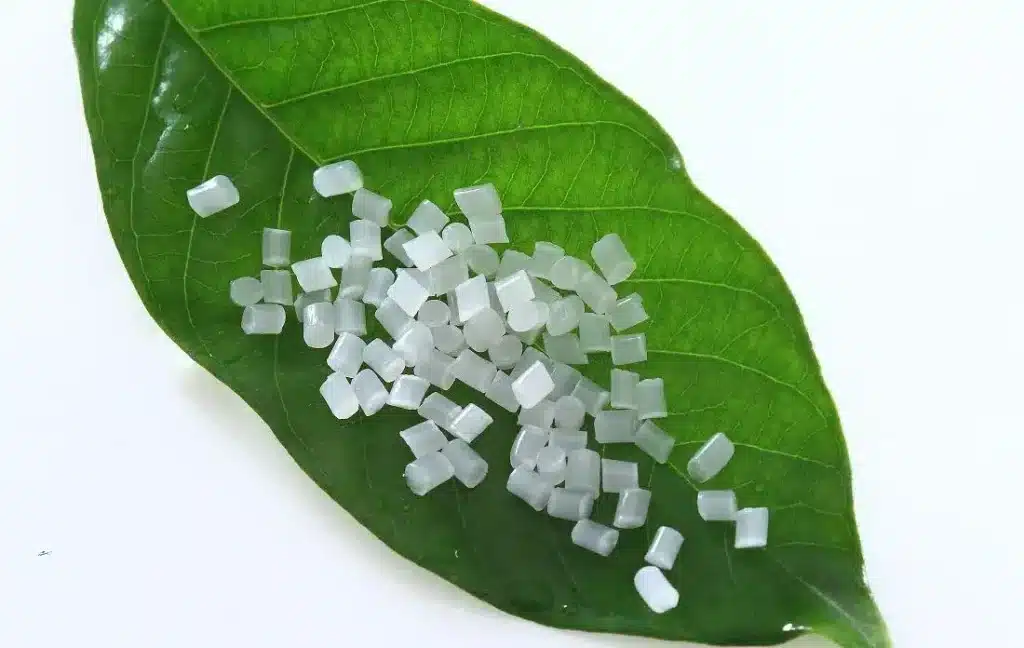
The quest for eco-friendly plastics has spurred research and development efforts to create biodegradable materials derived from renewable sources. Bioplastics, such as PLA (polylactic acid) and PHA (polyhydroxyalkanoates), offer biodegradability, compostability, and reduced carbon footprint compared to traditional petroleum-based plastics, paving the way for a more sustainable future.
12. Challenges and Future Outlook
Addressing Environmental Concerns Associated with Plastic Extrusion
As the plastic extrusion industry continues to expand, so do concerns regarding its environmental impact, particularly in terms of waste generation and carbon emissions. Mitigating these challenges requires a multifaceted approach involving technological innovation, regulatory compliance, and industry collaboration.
Strategies for Reducing Waste and Emissions
Efforts to minimize waste and emissions in plastic extrusion encompass various initiatives, such as material recycling, energy efficiency improvements, and emissions reduction technologies. By optimizing resource utilization and implementing sustainable practices throughout the value chain, manufacturers can mitigate their environmental footprint while maintaining competitiveness and profitability.
Regulatory Compliance and Industry Standards
The plastic extrusion industry is subject to a complex regulatory landscape governing product safety, environmental protection, and occupational health. Compliance with industry standards, such as ISO 9001 for quality management and ISO 14001 for environmental management, is essential for demonstrating commitment to excellence and responsible stewardship.
13. Emerging Technologies Shaping the Future of Plastic Extrusion
3D Printing with Extruded Plastics
The convergence of plastic extrusion and additive manufacturing technologies is opening new possibilities for on-demand production and customized fabrication. 3D printing with extruded plastics enables rapid prototyping, complex geometries, and multi-material fabrication, revolutionizing product development and manufacturing workflows.
Nanocomposites and Advanced Materials Development
Advancements in nanotechnology are driving the development of high-performance nanocomposites for use in plastic extrusion applications. By incorporating nano-sized fillers and reinforcements into polymer matrices, manufacturers can enhance material properties such as strength, stiffness, and thermal conductivity, unlocking new opportunities in aerospace, automotive, and electronics industries.
14. Conclusion
In conclusion, the world of Kunststoff-Extrusionsmaschinen is vast and multifaceted, offering boundless opportunities for innovation and growth. From its humble origins to its current state of technological sophistication, plastic extrusion continues to shape the future of manufacturing, driving progress and sustainability. As we navigate the complexities of this dynamic industry, let us remain vigilant, adaptable, and committed to excellence. By embracing change and staying abreast of the latest advancements, we can unlock new possibilities and chart a course towards a brighter tomorrow.